|
Arizona has real strengths — dry heat, dramatic desert scenery, and a well-earned reputation as one of the country's original retirement destinations. We're not here to pretend otherwise. But when you line the two states up against the factors that actually decide where most 55+ buyers end up planting roots — the number of communities to choose from, what the state takes out of your retirement income, what there is to do on a Tuesday afternoon, and how many good hospitals are within a short drive — Florida wins more of those arguments than it loses. Here's why the Sunshine State remains the default answer for active adults who want options, not just scenery.
|
The Largest Selection of 55+ Communities in the Country
Florida isn't just popular with retirees — it's the epicenter of the entire active adult housing industry. From The Villages to hundreds of smaller gated and gate-free communities strung along the Gulf Coast, the Atlantic coast, and the central lakes region, Florida offers a depth of inventory that Arizona, for all its charm, simply can't match. That matters because more supply means more competition on price, more variety in home styles and price points, and a far better chance of finding a community that fits your specific list of must-haves — whether that's a marina, a golf course, a 55+ age-restricted guarantee, or simply a quiet street with low HOA dues.
Bottom line: more communities means more leverage and more fit — you're far less likely to compromise in Florida than in Arizona's comparatively thinner market.
|
Zero State Income Tax, Full Stop
Florida has no state income tax — period, on every dollar, whether it comes from Social Security, a pension, a 401(k) withdrawal, or investment income. Arizona does tax retirement income, though it offers some exemptions for Social Security and military pensions. Over a 20- or 30-year retirement, that structural difference adds up to a meaningful sum of money that simply stays in your pocket in Florida instead of going to the state. Florida also has no estate tax and no inheritance tax, which matters if you're thinking about what you leave behind as much as what you live on.
Bottom line: for retirees living off a mix of Social Security, pensions, and investment income, Florida's tax code is simpler and, in most cases, cheaper.
|
Water Changes Everything
Arizona is a desert state, and no amount of golf-course landscaping changes that basic fact. Florida, by contrast, is never far from water — the Gulf of Mexico, the Atlantic, a spring-fed river, or one of thousands of inland lakes. That access reshapes daily life in ways that go well beyond scenery: boating, fishing, paddling, and beach walking become built-in, low-cost forms of exercise and recreation rather than special occasions that require a road trip. For retirees who grew up around lakes, rivers, or coastline, that's not a minor amenity — it's a core piece of what retirement is supposed to feel like.
Bottom line: if water is part of your picture of retirement, Florida delivers it as a daily backdrop; Arizona simply cannot.
|
Milder Extremes, Longer Comfortable Seasons
Arizona's dry heat is famously more tolerable than humid heat right up until it isn't — Phoenix regularly sees weeks of 110-degree-plus days each summer, extreme enough that outdoor activity essentially shuts down for a large part of the year. Florida's heat is more humid, but it's also more moderate at the extremes, and coastal breezes take the edge off in most of the communities retirees actually settle in. Winters are where Florida pulls ahead decisively — mild, sunny, and ideal for the exact outdoor lifestyle that draws people to the Sunbelt in the first place, without the risk of a hard freeze that occasionally catches even Arizona by surprise.
Bottom line: Florida's winters are close to unbeatable, and its summers are more livable than Arizona's if you're willing to embrace the pool and the shade.
|
A Deeper, Wider Healthcare Network
Because Florida has been the country's leading retirement destination for decades, its healthcare infrastructure has grown to match — nationally ranked hospital systems, a dense concentration of geriatric specialists, and some of the best cardiac and orthopedic care in the country, particularly in markets like Tampa, Orlando, and South Florida. Arizona has strong systems too, especially around Phoenix and Tucson, but the sheer density and redundancy of Florida's healthcare network — with major hospitals in nearly every metro area — gives retirees more options and shorter drives no matter where in the state they settle.
Bottom line: more hospitals, more specialists, and more choice translate into real peace of mind as healthcare needs grow with age.
|
More Regions Means More Room to Choose Your Pace
Arizona's retirement scene is concentrated almost entirely around greater Phoenix, with a smaller cluster near Tucson. Florida spreads its options across dramatically different regions — the quiet, laid-back Gulf Coast; the lake-dotted, small-town feel of Central Florida; and the livelier, beach-forward East Coast corridor. That range means a retiree who wants a sleepy small-town pace and one who wants proximity to a major airport and big-city amenities can both find their fit within the same state, often within a few hours' drive of each other.
Bottom line: Florida lets you dial in the exact pace of life you want without leaving the state's tax and healthcare advantages behind.
|
The Bottom Line
Arizona will always have its fans, and for retirees who genuinely prefer dry heat and desert landscapes over water and greenery, it remains a legitimate choice. But for the majority of 55+ buyers weighing their options, Florida's larger selection of communities, tax-free retirement income, year-round access to water, milder winters, deeper healthcare network, and range of regional lifestyles add up to a stronger overall case. It's not close on most of the factors that matter day to day — which is exactly why Florida has stayed the nation's top retirement destination for as long as it has.
|
Explore Florida Communities
Seven communities, three regions — Gulf Coast, Central Florida, and the Treasure Coast — so you can see the range Florida actually offers.
|
 |
Naples Estates
A gated 55+ manufactured home community in Naples offering resort-style amenities, a clubhouse, and easy access to Southwest Florida's beaches and shopping — Gulf Coast living at a comparatively accessible price point.
View Community Request Info |
 |
The Preserve
A quiet, low-maintenance 55+ community on Florida's Gulf Coast surrounded by natural preserve land, offering a calmer, more nature-focused alternative to the region's larger resort-style communities.
View Community Request Info |
 |
Sweetwater Oaks
A friendly 55+ community in Central Florida's lake country, known for its oak-shaded streets, active clubhouse calendar, and close proximity to Ocala's healthcare and shopping without the density of the coasts.
View Community Request Info |
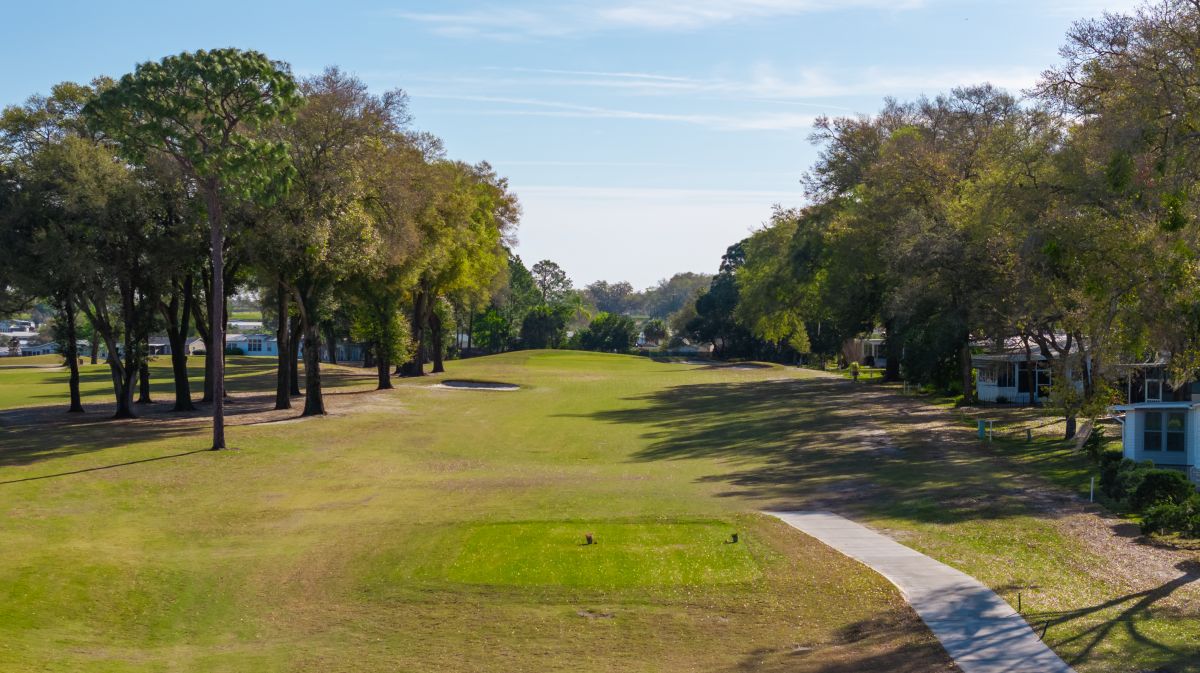 |
Water Oak Country Club Estates
A gated golf and country club community near Lady Lake, offering an 18-hole course, resort-style pool, and full-service clubhouse for retirees who want Central Florida's small-town pace with big-community amenities.
View Community Request Info |
East Coast Florida (Treasure Coast)
|
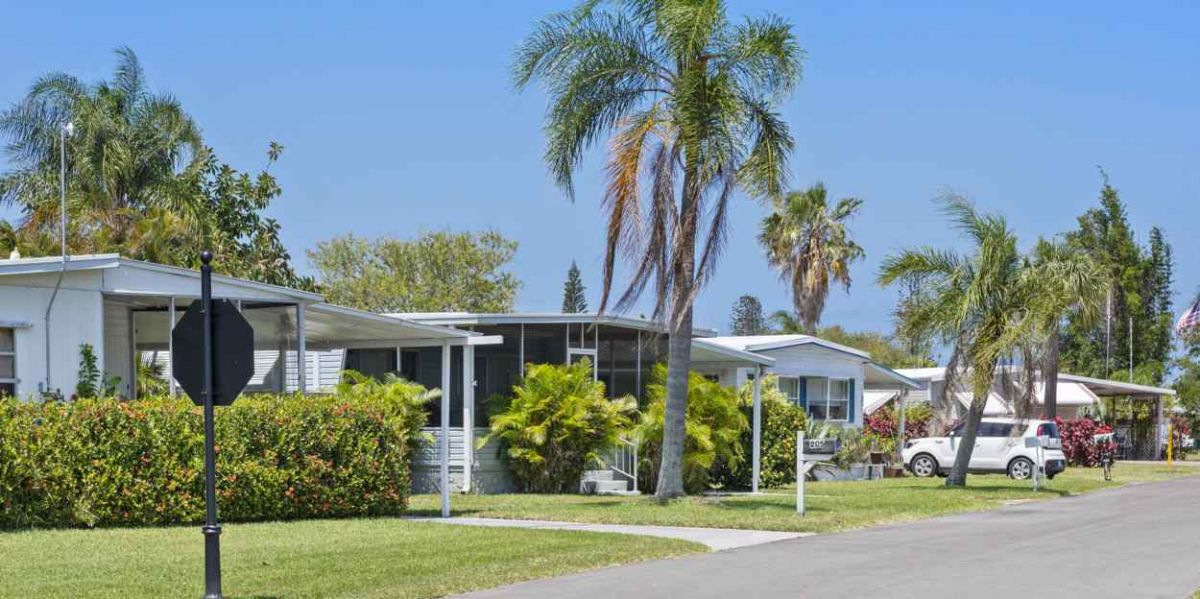 |
Sandhill Shores
A 55+ manufactured home community in Port St. Lucie's Treasure Coast, offering low-maintenance living within easy reach of the region's beaches, boating, and growing healthcare corridor.
View Community Request Info |
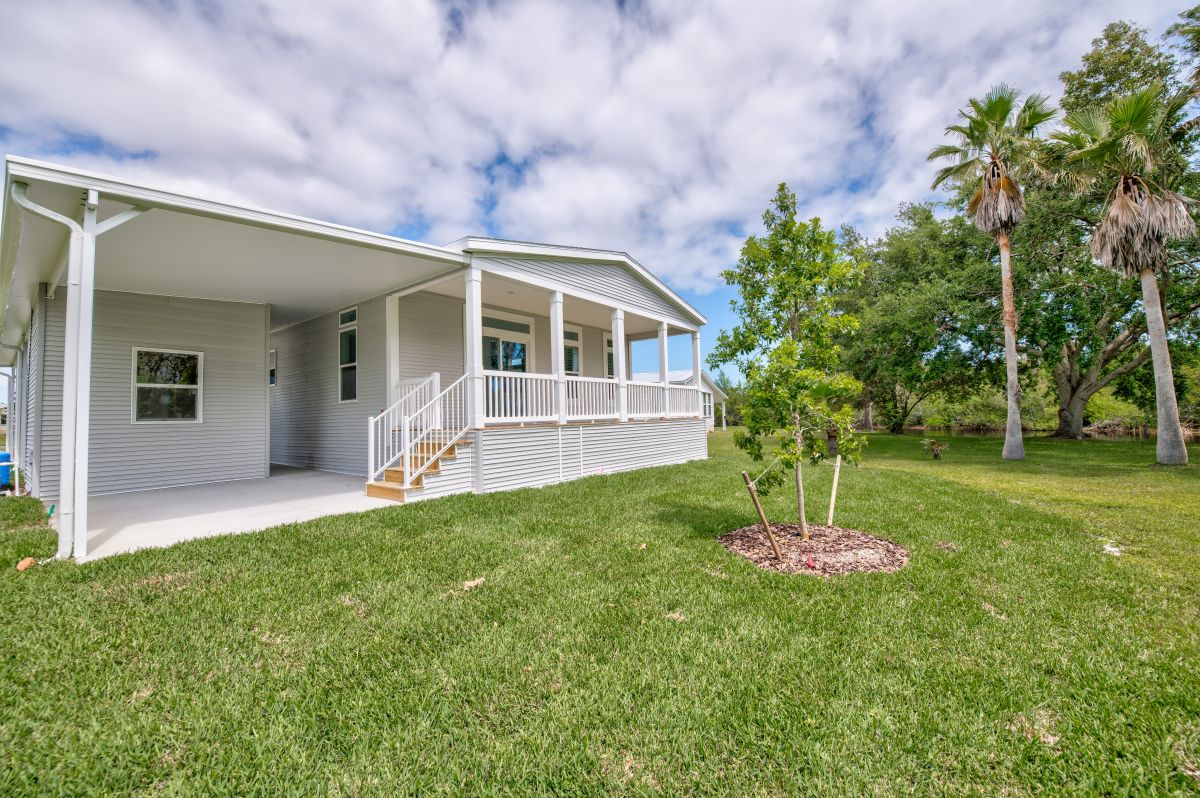 |
Park Place
A well-established 55+ community on Florida's Treasure Coast with a clubhouse, pool, and active social calendar, positioned within a short drive of both the coast and Interstate 95 for easy travel.
View Community Request Info |
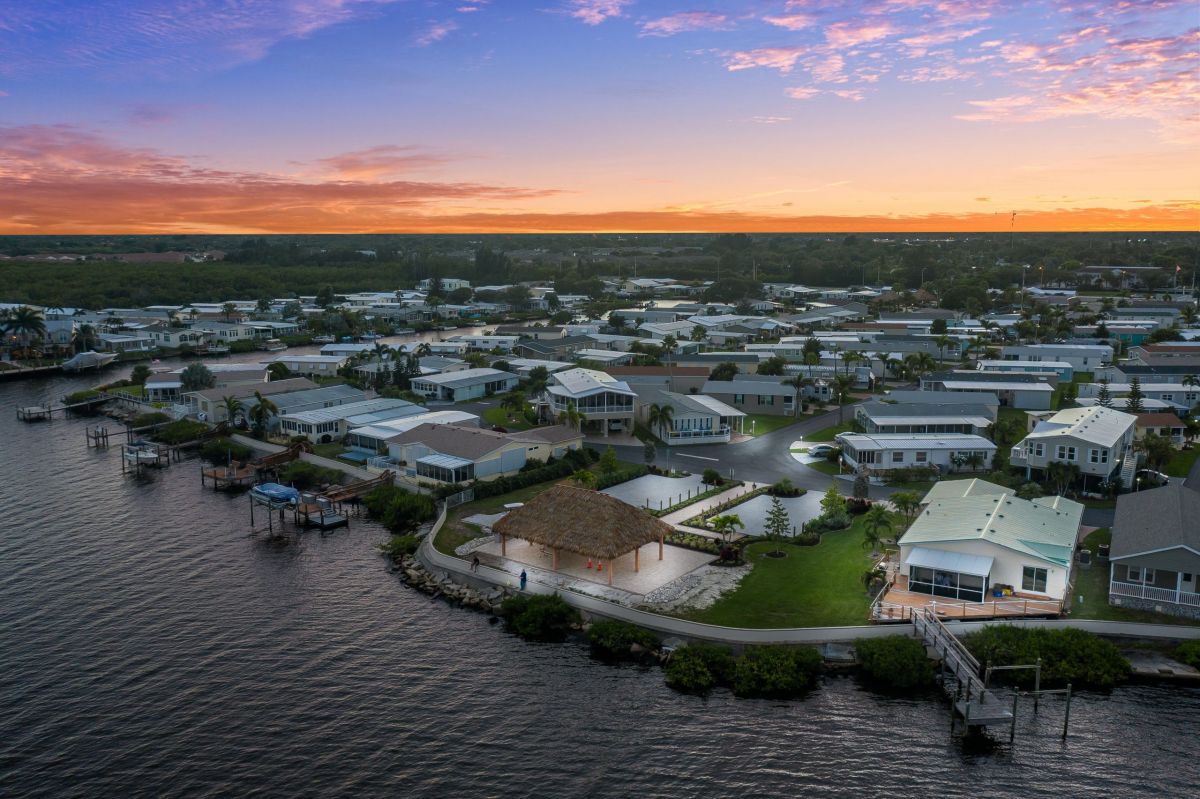 |
Fairlane Harbor
A waterfront 55+ manufactured home community on Florida's Treasure Coast with a private marina, giving boating retirees direct water access that's simply not part of the picture in Arizona.
View Community Request Info |
|



 0 Recommendations